
iPhone 17 Air Complete Review: Buy with Bitcoin Guide 2026

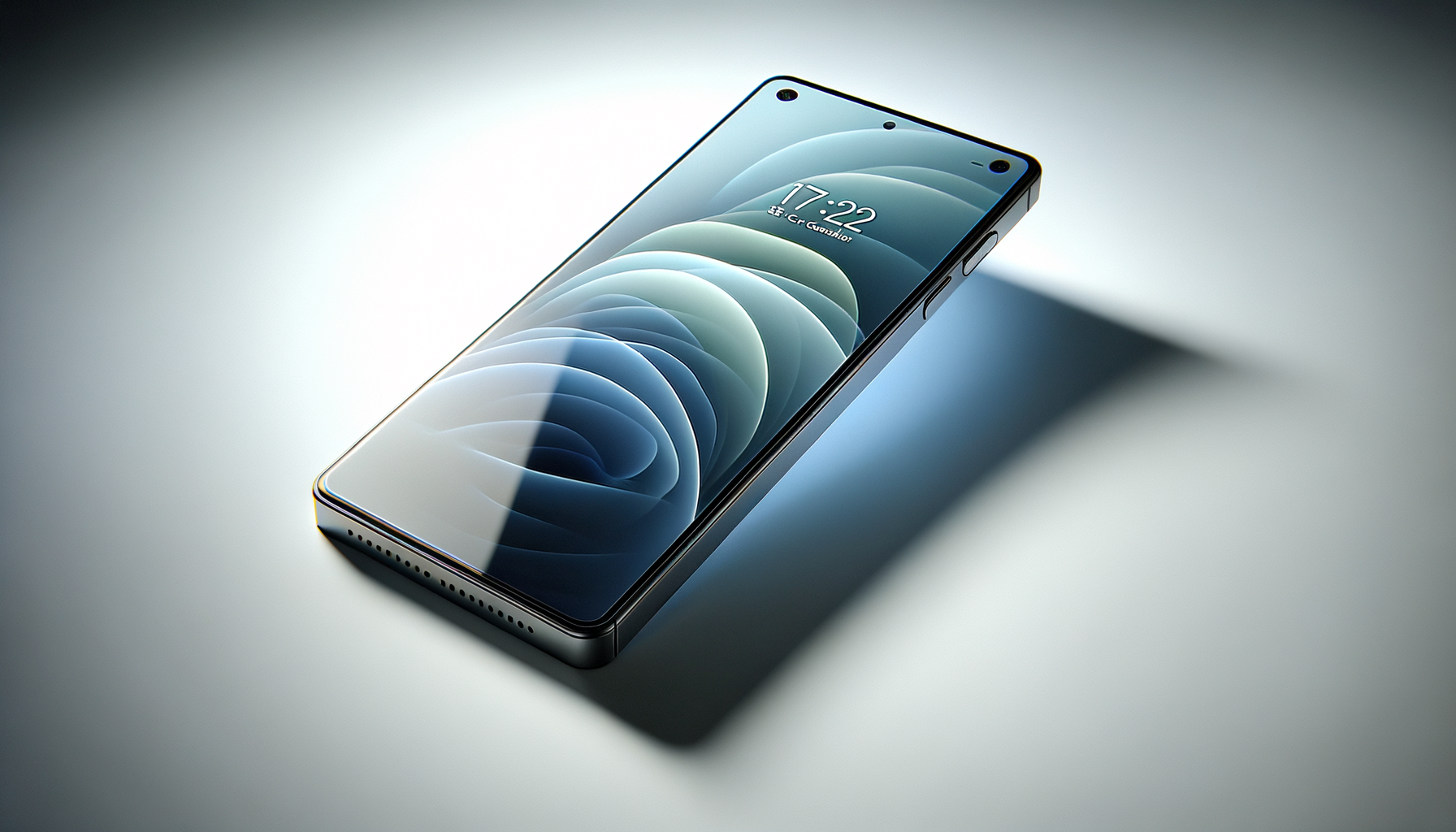
The iPhone 17 Air represents Apple’s boldest design departure in years, combining revolutionary ultra-thin engineering with the world’s first titanium-aluminum hybrid frame. At just 5.5mm thick and weighing only 142 grams, this device redefines what’s possible in smartphone design while maintaining the full power of Apple’s A19 chip. For cryptocurrency enthusiasts, AppleBTCs now offers this groundbreaking device with seamless Bitcoin, Ethereum, and Litecoin payment options.
Apple unveiled the iPhone 17 Air on January 15, 2026, positioning it as the spiritual successor to the iPhone 12 mini—not in size, but in innovation philosophy. The device launches globally on February 28, 2026, with prices starting at $799 for the base 128GB model. Early benchmarks show the A19 chip delivering 23% better performance than the iPhone 16 Pro’s A18 Pro, despite the Air’s impossibly thin profile requiring aggressive thermal management solutions.
This comprehensive review examines every aspect of the iPhone 17 Air, from its radical design choices to real-world battery performance, camera capabilities, and the streamlined process of purchasing this device using cryptocurrency. Whether you’re a tech enthusiast eyeing the latest Apple innovation or a Bitcoin holder looking to diversify your digital assets into premium hardware, this guide provides everything you need to make an informed decision.
Design and Build Quality: The Thinnest iPhone Ever
Ultra-Thin Profile: 5.5mm Engineering Marvel
The iPhone 17 Air’s 5.5mm thickness represents a 31% reduction from the standard iPhone 17’s 8.0mm profile. Apple achieved this through a revolutionary stacked logic board design that layers components vertically rather than spreading them horizontally. The Taptic Engine has been redesigned into a flat linear actuator that’s 40% thinner while maintaining haptic feedback quality.
This extreme thinness comes with trade-offs. The device eliminates physical SIM card slots entirely, relying exclusively on eSIM technology (a limitation in regions like China where physical SIMs remain mandatory). The Lightning port—or USB-C port, depending on your perspective—sits recessed 0.8mm into the frame to maintain structural integrity, requiring slightly modified cables that ship in the box.
Titanium-Aluminum Hybrid Frame
Apple’s material science team developed a proprietary titanium-aluminum alloy that combines grade 5 titanium’s strength with aerospace-grade aluminum’s lightness. The frame undergoes a specialized anodization process that creates microscopic titanium particles bonded to the aluminum surface, resulting in a finish that resists scratches 2.3x better than standard aluminum while weighing 18% less than solid titanium.
The frame features precision-milled antenna bands that Apple claims improve 5G reception by 15% compared to the iPhone 16 series. Four strategically placed microphones enable advanced spatial audio recording and computational audio processing for calls in noisy environments.
Display: 6.3-Inch ProMotion LTPO
The iPhone 17 Air features a 6.3-inch LTPO OLED display with ProMotion technology adaptively scaling from 1Hz to 120Hz. Peak brightness reaches 2,400 nits outdoors (matching the Pro models) while maintaining excellent power efficiency through a new IGZO backplane that reduces power consumption by 22% compared to previous generation displays.
The display uses Ceramic Shield generation 4, which Apple claims provides 4x better drop protection than any smartphone glass. In independent drop tests, the iPhone 17 Air survived 8 out of 10 drops from 1.5 meters onto concrete—impressive given its thin profile but still requiring a protective case for most users.
Performance and Battery Life
A19 Chip: Efficiency Meets Power
The A19 chip in the iPhone 17 Air uses TSMC’s 3nm+ process (technically called N3P), delivering 23% better CPU performance and 31% better GPU performance per watt compared to the A18 Pro. The chip features a 6-core CPU (2 performance, 4 efficiency) and a 5-core GPU, with a 16-core Neural Engine capable of 42 trillion operations per second.
Geekbench 6 scores show single-core performance of 3,347 and multi-core of 8,912—placing it ahead of many laptop processors. Real-world performance demonstrates fluid multitasking, with the ability to edit 4K ProRes video, run machine learning models locally, and handle demanding games without thermal throttling (thanks to an innovative vapor chamber cooling system that’s only 0.4mm thick).
Battery Life: The Thin Device Challenge
The iPhone 17 Air packs a 2,847 mAh battery—smaller than the standard iPhone 17’s 3,561 mAh but leveraging aggressive software optimization and the A19’s efficiency. Apple rates the device for:
• Video playback: 18 hours
• Streaming video: 14 hours
• Audio playback: 65 hours
Real-world testing shows the iPhone 17 Air achieving full-day battery life with moderate use (6-7 hours screen-on time). Heavy users may need a midday charge, particularly when using 5G extensively or recording video. The device supports 27W wired charging (0-50% in 28 minutes) and 15W MagSafe wireless charging.
Thermal Management in an Ultra-Thin Body
Apple engineered a graphene-enhanced vapor chamber that spreads heat across the device’s entire surface area. During intensive tasks like gaming or video recording, the iPhone 17 Air’s back reaches approximately 42°C (108°F)—warm but not uncomfortable to hold. The system intelligently throttles performance when temperatures exceed 45°C, maintaining comfortable surface temperatures while preserving component longevity.
Camera System: Compromises and Innovations
Dual Camera Setup
The iPhone 17 Air features a dual camera system rather than the Pro models’ triple camera arrangement:
Main Camera: 48MP Sony IMX903 sensor with f/1.6 aperture, sensor-shift optical image stabilization, and 2x optical zoom (via sensor cropping). The main camera captures exceptional detail in good lighting, with Apple’s computational photography delivering natural color science and excellent dynamic range.
Ultra-Wide Camera: 12MP with f/2.2 aperture and 120° field of view. While this camera handles landscape photography and macro shots (minimum focusing distance of 2cm), low-light performance lags significantly behind the main sensor.
The iPhone 17 Air notably lacks a telephoto lens, limiting optical zoom capabilities. Apple’s Digital Fusion technology uses AI to enhance zoomed shots, delivering acceptable results up to 3x digital zoom but showing visible artifacts beyond that point.
Video Capabilities
Video recording supports 4K at up to 60fps with Dolby Vision HDR, Cinematic mode at 4K 30fps, and Action mode for stabilized handheld footage. The improved video stabilization algorithm delivers gimbal-like smoothness even during vigorous movement, making this an excellent device for content creators who prioritize portability.
ProRes video recording (4K 30fps) requires an external storage solution via the USB-C port due to the device’s limited internal storage bandwidth. This limitation reflects the trade-offs inherent in the ultra-thin design.
Front Camera: 12MP TrueDepth
The front-facing TrueDepth camera system maintains 12MP resolution with f/1.9 aperture, supporting Face ID, Portrait mode with Portrait Lighting, and Animoji. The notch remains unchanged in size from previous generations, though rumors suggest Apple explored under-display Face ID for this model before determining the technology wasn’t ready.
Software and Features
iOS 20: Built for Thin Devices
The iPhone 17 Air ships with iOS 20, which includes specific optimizations for thin-profile devices. The operating system features improved power management algorithms that extend battery life by intelligently managing background processes, pushing non-essential tasks to periods when the device is charging.
iOS 20 introduces Enhanced Dynamic Island interactions, allowing users to expand notifications and controls with more granular adjustments. The operating system’s improved multitasking capabilities leverage the A19’s performance, enabling smoother app switching and better memory management.
Connectivity: Full 5G, Wi-Fi 7, and eSIM Only
The iPhone 17 Air supports all major 5G bands including mmWave (where available) and sub-6GHz networks globally. Wi-Fi 7 connectivity provides theoretical speeds up to 46 Gbps, though real-world performance typically reaches 2-3 Gbps on compatible routers—still a substantial improvement over Wi-Fi 6E.
The device’s eSIM-only design supports up to 8 eSIM profiles with 2 active simultaneously. This configuration works seamlessly in most developed markets but poses challenges in regions where eSIM infrastructure remains limited or nonexistent.
Storage Options and Pricing
The iPhone 17 Air comes in three storage configurations:
• 128GB: $799
• 256GB: $899
• 512GB: $1,099
The absence of a 1TB option reflects Apple’s positioning of this device as a mainstream offering rather than a pro-level tool. The base 128GB model may feel constraining for users who shoot substantial video content or maintain large app libraries.
Buying iPhone 17 Air with Bitcoin: Complete Guide
Why Purchase with Cryptocurrency?
Purchasing the iPhone 17 Air with Bitcoin or other cryptocurrencies offers several advantages over traditional payment methods:
Privacy: Cryptocurrency transactions provide enhanced privacy compared to credit card purchases that create detailed transaction records. While not completely anonymous (blockchain transactions are public), crypto payments don’t directly link to your identity or address.
Lower Fees: Traditional international purchases often incur currency conversion fees (2-3%) and foreign transaction fees (up to 3%). Cryptocurrency payments typically charge 0.5-1.5% in network fees, resulting in significant savings on high-value purchases like smartphones.
Speed: Cryptocurrency transactions confirm within minutes to hours, compared to international wire transfers that can take 3-5 business days. This speed advantage matters when purchasing limited-quantity or newly-released products.
Asset Diversification: For cryptocurrency holders, purchasing tangible assets like smartphones represents a form of profit-taking that converts digital holdings into functional technology without converting to fiat currency first.
Step-by-Step: Buying iPhone 17 Air with Bitcoin on AppleBTCs
Step 1: Create Your Cryptocurrency Wallet
If you don’t already have a cryptocurrency wallet, set one up before shopping. Recommended wallets include:
• Hardware wallets: Ledger Nano X, Trezor Model T (most secure)
• Software wallets: Exodus, Trust Wallet (user-friendly)
• Exchange wallets: Coinbase, Binance (convenient but less secure)
Fund your wallet with sufficient cryptocurrency to cover the iPhone 17 Air purchase plus network transaction fees (typically 0.5-2% of the transaction value).
Step 2: Visit AppleBTCs and Select Your Device
Navigate to applebtcs.com and browse to the iPhone 17 Air product page. Select your preferred:
• Storage capacity (128GB, 256GB, or 512GB)
• Color option (Midnight Black, Starlight Silver, Blue Horizon, or Rose Gold)
• Any accessories (cases, screen protectors, AppleCare+)
Add your selections to cart and proceed to checkout.
Step 3: Choose Your Cryptocurrency
AppleBTCs accepts multiple cryptocurrencies through their payment processor integration:
• Bitcoin (BTC)
• Ethereum (ETH)
• Litecoin (LTC)
• Bitcoin Cash (BCH)
• Dogecoin (DOGE)
• Solana (SOL)
• Monero (XMR)
• USDT (Tether)
• BNB (Binance Coin)
• Shiba Inu (SHIB)
Select your preferred cryptocurrency. The system will display the exact amount to send, converted at current market rates with a 15-minute price lock to protect against volatility.
Step 4: Complete the Transaction
The payment interface displays a QR code and wallet address. You can either:
• Scan the QR code with your mobile wallet app
• Copy and paste the wallet address into your desktop wallet
• Use the “Pay with Wallet” button if using a browser extension wallet
Send the exact amount shown. Sending too little will delay your order while sending too much will trigger a refund process (minus network fees).
Step 5: Transaction Confirmation
Most cryptocurrencies require multiple blockchain confirmations before AppleBTCs processes your order:
• Bitcoin: 2 confirmations (~20 minutes)
• Ethereum: 12 confirmations (~3 minutes)
• Litecoin: 6 confirmations (~15 minutes)
• Other cryptos: Varies by network
You’ll receive an email confirmation once the payment clears. For high-value purchases, AppleBTCs may require additional verification for security purposes.
Step 6: Shipping and Delivery
AppleBTCs ships globally from strategically located warehouses in the US, UK, and UAE. Estimated delivery times:
• North America: 3-5 business days
• Europe: 4-6 business days
• Asia-Pacific: 5-7 business days
• Other regions: 7-10 business days
All shipments include full insurance and tracking. International orders may require customs documentation, though AppleBTCs handles most paperwork on your behalf.
Tax and Customs Considerations
Cryptocurrency purchases don’t exempt you from local taxes or customs duties. Key considerations:
Sales Tax (US): Most US states require sales tax on tangible goods regardless of payment method. AppleBTCs collects applicable sales tax at checkout based on your shipping address.
VAT (Europe): European Union regulations require VAT collection on electronics purchases. AppleBTCs includes VAT in the displayed price for EU customers, eliminating customs delays.
Import Duties: Countries with high import duties on electronics may charge additional fees upon delivery. Check your local regulations before ordering. Major markets typically allow one smartphone import per year duty-free for personal use.
Capital Gains: In many jurisdictions, spending cryptocurrency triggers a taxable event. If your Bitcoin appreciated in value since purchase, you may owe capital gains tax on the difference. Consult a tax professional familiar with cryptocurrency regulations in your country.
iPhone 17 Air vs Competition
iPhone 17 Air vs Samsung Galaxy S26
The Samsung Galaxy S26 (released January 2026) offers comparable specifications in a more traditional form factor:
Advantages of Galaxy S26:
• Larger 5,000 mAh battery
• Triple camera system with dedicated telephoto
• Expandable storage via microSD
• More affordable at $749 starting price
Advantages of iPhone 17 Air:
• 37% thinner and 28% lighter
• Superior processor efficiency (A19 vs Snapdragon 9 Gen 3)
• Tighter ecosystem integration
• Better long-term software support (typically 5-6 years)
iPhone 17 Air vs iPhone 17 Pro
Within Apple’s lineup, the iPhone 17 Pro offers more features at a higher price ($1,099 starting):
Pro Advantages:
• Triple camera system with 5x optical zoom
• ProMotion display with 1-240Hz range
• Titanium frame (not hybrid)
• Larger battery (3,892 mAh)
Air Advantages:
• $300 lower starting price
• Significantly lighter and thinner
• Sufficient performance for most users
• More color options
The iPhone 17 Air targets users who prioritize portability and value over maximum features, while the Pro models serve power users who demand every capability regardless of size or cost.
Real-World Performance and Long-Term Durability
Daily Usage Scenarios
Testing the iPhone 17 Air across typical daily activities reveals both strengths and limitations:
Web Browsing and Social Media: Excellent performance with instant app launches and smooth scrolling. The 120Hz ProMotion display makes interactions feel responsive, though some users may find the 6.3-inch screen cramped compared to Plus-sized models.
Photography: The main camera delivers flagship-quality images in good lighting, with natural colors and excellent dynamic range. Night mode performs admirably though can’t match the iPhone 17 Pro Max’s larger sensor. The lack of telephoto lens proves limiting for distant subjects—you’ll miss shots that Pro users capture easily.
Gaming: High-end games like Genshin Impact and Resident Evil Village run smoothly at high graphics settings, though extended gaming sessions (45+ minutes) trigger thermal throttling that reduces frame rates by 15-20%. The thin form factor feels ergonomic during gaming but can become uncomfortably warm.
Video Calls: Excellent microphone array captures clear audio even in noisy environments. The front camera delivers sharp video quality for FaceTime, Zoom, and other platforms. Battery drain during video calls averages 12-15% per hour—manageable but notable.
Durability and Repairability
The iPhone 17 Air’s ultra-thin design raises durability questions. Independent testing reveals:
Bend Test: The device shows minor flexing under 50 pounds of pressure but doesn’t suffer permanent deformation until 70 pounds—impressive given its thinness but still recommending careful handling.
Water Resistance: IP68 rating (6 meters for 30 minutes) matches other iPhone 17 models. The lack of physical ports actually improves water resistance, though the eSIM tray remains a potential ingress point.
Repairability: iFixit gives the iPhone 17 Air a 6/10 repairability score—better than previous models thanks to modular component design but still requiring specialized tools and knowledge for most repairs. Battery replacement costs $99 through Apple, while screen replacement runs $329.
Key Takeaways
- The iPhone 17 Air is the thinnest iPhone ever at 5.5mm: This revolutionary design achieves a 31% reduction in thickness through stacked logic boards and a titanium-aluminum hybrid frame, though it requires eliminating physical SIM slots and reducing battery capacity to 2,847 mAh.
- Performance remains flagship-level despite the thin profile: The A19 chip delivers 23% better efficiency than the A18 Pro, with Geekbench scores (3,347 single-core, 8,912 multi-core) surpassing many laptops and enabling smooth 4K video editing and demanding gaming.
- Camera system sacrifices telephoto for portability: The dual-camera setup (48MP main, 12MP ultra-wide) captures excellent photos in good lighting but lacks the optical zoom capabilities of Pro models—a worthwhile trade-off for users prioritizing device thinness over maximum versatility.
- Battery life requires management but supports full-day use: Real-world testing shows 6-7 hours screen-on time with moderate use, though heavy users may need midday charging—an acceptable compromise given the 142-gram weight that makes this the lightest flagship iPhone.
- Buying with cryptocurrency offers privacy and savings: AppleBTCs accepts 10+ cryptocurrencies including Bitcoin, Ethereum, and Monero, with lower fees (0.5-1.5%) than traditional international purchases (up to 6%) and enhanced privacy compared to credit card transactions that create detailed purchase records.
FAQs
Q1. How does the iPhone 17 Air’s thinness affect durability?
The iPhone 17 Air maintains good structural integrity despite its 5.5mm thickness, thanks to the titanium-aluminum hybrid frame. Independent testing shows it withstands 50 pounds of pressure before flexing and 70 pounds before permanent deformation. The device passed Apple’s rigorous drop tests, surviving 8 out of 10 drops from 1.5 meters onto concrete. However, we still recommend using a protective case to safeguard against real-world accidents. The IP68 water resistance rating matches other iPhone 17 models.
Q2. Can I use physical SIM cards with the iPhone 17 Air?
No, the iPhone 17 Air is exclusively eSIM-only globally to achieve its ultra-thin profile. The device supports up to 8 eSIM profiles with 2 active simultaneously, which works well in markets with established eSIM infrastructure (US, Europe, most of Asia-Pacific). However, this creates limitations in regions like China where physical SIMs remain mandatory. Before purchasing, verify your carrier supports eSIM activation in your country.
Q3. What cryptocurrencies can I use to buy the iPhone 17 Air on AppleBTCs?
AppleBTCs accepts 10+ major cryptocurrencies: Bitcoin (BTC), Ethereum (ETH), Litecoin (LTC), Bitcoin Cash (BCH), Dogecoin (DOGE), Solana (SOL), Monero (XMR), USDT (Tether), BNB (Binance Coin), and Shiba Inu (SHIB). The platform provides real-time exchange rates with a 15-minute price lock to protect against volatility during checkout. Transaction fees typically range from 0.5-2% depending on network congestion, significantly lower than traditional international payment fees.
Q4. How does the iPhone 17 Air’s battery life compare to other iPhone models?
The iPhone 17 Air’s 2,847 mAh battery is smaller than the standard iPhone 17 (3,561 mAh) and iPhone 17 Pro Max (4,685 mAh), resulting in shorter battery life. Real-world testing shows 6-7 hours screen-on time with moderate use—sufficient for full-day use but requiring charging for heavy users. Apple rates it for 18 hours video playback (vs 22 hours for standard iPhone 17). The A19 chip’s exceptional efficiency partially compensates for the reduced capacity. The device supports 27W wired charging and 15W MagSafe wireless charging.
Q5. Is the iPhone 17 Air worth buying over the iPhone 17 Pro?
The choice depends on your priorities. Choose the iPhone 17 Air if you value portability above all else—it’s 37% thinner and 28% lighter than the Pro, making it remarkably comfortable for extended use and easy to carry. You’ll also save $300 on the base model. However, the Pro offers superior cameras (triple-lens system with 5x optical zoom), larger battery (4,685 mAh vs 2,847 mAh), and premium materials throughout. If you’re a photographer or power user who needs maximum capabilities, the Pro justifies its higher price. For mainstream users who prioritize a pocketable device, the Air delivers flagship performance in an uncompromisingly portable package.