
iPhone 17 eSIM vs SIM Card: Hidden Costs & Benefits Revealed

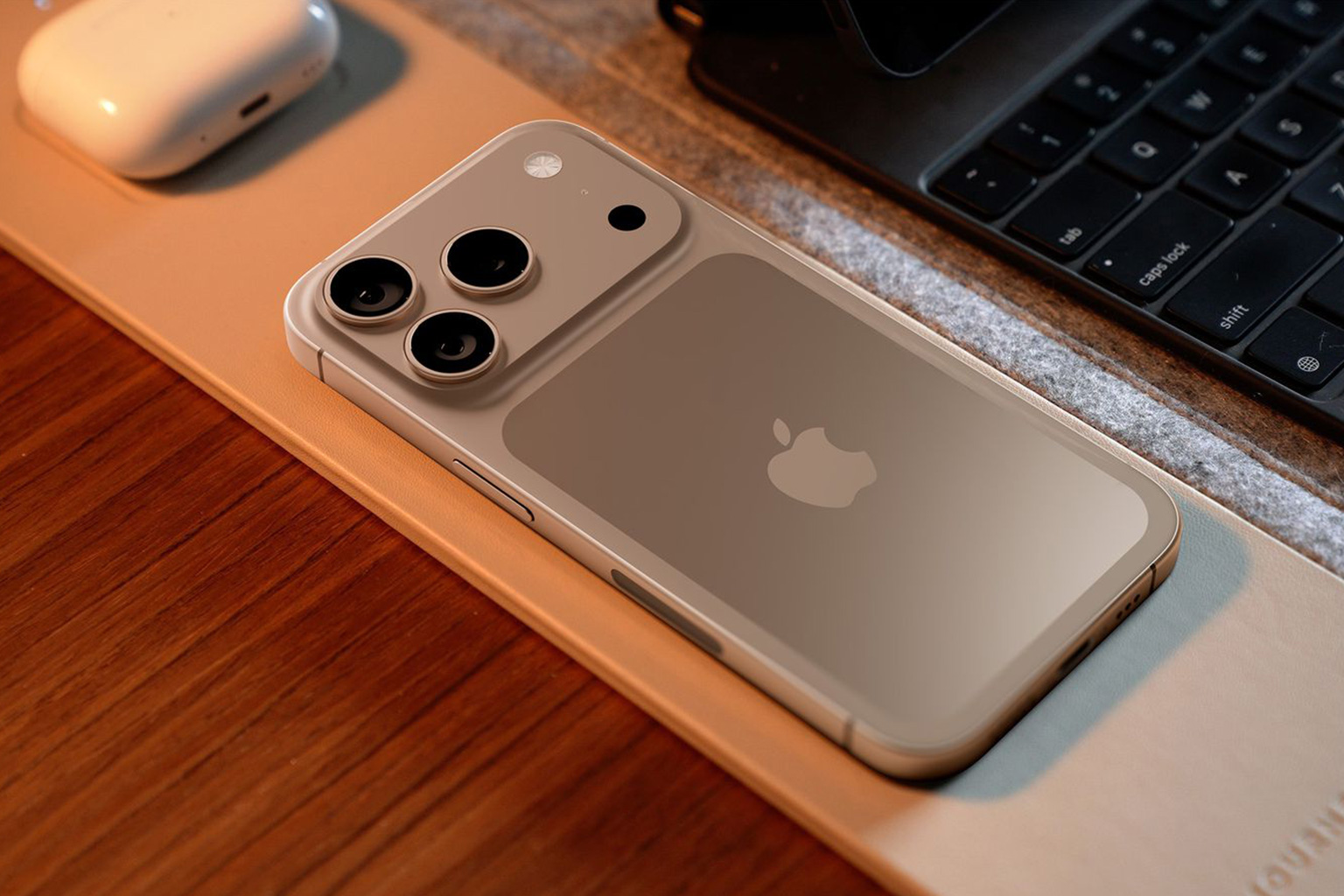
The battle between eSIM and physical SIM has become more relevant with the iPhone 17 lineup that demonstrates remarkable battery improvements with eSIM technology. Standard tests show the iPhone 17 Pro Max eSIM version runs over an hour longer than its physical SIM counterpart. The device boasts an impressive 5,088 mAh battery capacity, which marks an 8.6% increase from previous models.
Apple has taken a bold stance against traditional SIM cards by making all iPhone 17 models eSIM-only across the US, Canada, Japan, and several other countries. This transformation makes perfect sense since an eSIM takes up about half the space of modern Nano SIMs and integrates directly into the phone’s circuitry. The removal of physical SIM trays creates additional internal space for other components. This design change likely contributes to the enhanced battery capacity we now see in the iPhone 17 Pro (4,252 mAh, up 18.7%) and Pro Max models.
This piece will reveal the true costs and benefits of choosing between eSIM and physical SIM for your iPhone 17. You’ll learn everything from battery performance to security implications, helping you determine which option best matches your needs.
Battery and Performance: iPhone 17 eSIM vs SIM Card

Image Source: Notebookcheck
“Starting with the iPhone 17 series, eSIM-only models sold worldwide have a larger battery that fills the space formerly occupied by either the SIM card tray or the plastic piece.” — MacRumors Editorial Team, Apple news publication analyzing hardware design changes
Apple’s iPhone 17 series shows unexpected performance variations between eSIM and physical SIM models. These differences extend beyond basic connectivity and affect how you use your phone daily.
Battery Capacity: 4,252 mAh vs 3,988 mAh in iPhone 17 Pro
The iPhone 17 Pro with eSIM-only design comes with a 4,252 mAh battery while the physical SIM version has 3,988 mAh. The Pro Max eSIM model features a 5,088 mAh battery compared to its physical SIM version’s 4,823 mAh. Apple used the extra space from removing the physical SIM tray to fit larger batteries.
Real-Life Battery Test: 8h12m vs 7h18m Runtime
These battery differences lead to better runtime in everyday use. The eSIM iPhone 17 Pro runs 5.3% longer than the physical SIM model, giving you 49 more minutes of use. Battery tests show the iPhone 17 Pro Max eSIM version lasted 8 hours and 12 minutes. This beats both the physical SIM version at 7 hours and 6 minutes and the iPhone Air at 7 hours and 18 minutes.
Thermal Management: Vapor Chamber vs Aluminum Substructure
The iPhone 17 Pro models use Apple’s innovative vapor chamber cooling system with different results. A sealed stainless-steel chamber contains deionized water that moves heat through evaporation and condensation cycles. The system transfers heat through the aluminum unibody and keeps temperatures 6-10°C cooler than older models. This improved cooling helps the phone perform 40% better under similar workloads.
Charging Speed and Efficiency Differences
The iPhone 17 Pro series charges 36% faster than before. You can get to 50% battery in 20 minutes with a 40W adapter. Tests show the iPhone 17 Pro Max eSIM version reaches 37% battery in 15 minutes and fully charges in 1 hour 35 minutes.
Convenience and Setup Experience

Image Source: Ultra Mobile
The daily convenience and flexibility of iPhone 17 models is different based on whether they use eSIM technology or physical SIM cards.
SIM Swap: Instant Transfer vs Carrier Activation
The iPhone 17’s Quick Transfer feature lets you wirelessly move SIM or eSIM profiles from your old iPhone during the original setup. You won’t need to contact carriers or visit stores. eSIMs activate digitally through several methods, unlike physical SIMs that you must insert manually. Most carriers give you QR codes that automatically download the carrier profile in minutes when scanned. Your carrier can also assign eSIMs directly to your iPhone if they support eSIM Carrier Activation.
Device Switching: Manual eSIM Transfer vs Physical Swap
You can swap physical SIM cards between phones in about 10 seconds. Moving an eSIM needs either carrier help or Quick Transfer support. iOS 26 lets you move multiple phone numbers to your new iPhone at once. But moving eSIMs between iOS and Android usually means you’ll need to contact your provider.
Dual SIM Use: eSIM + SIM vs Dual Physical SIMs
Your iPhone 17 can hold up to eight eSIM profiles and keep two active at once. This feature lets you keep your home number while adding travel eSIMs. The phone makes shared use smooth in regions that still have physical SIM trays – you can use one physical SIM with one eSIM. Travelers can connect instantly in new countries without looking for SIM kiosks.
Security and Privacy Considerations
Security makes a big difference between the iPhone 17’s eSIM setup and physical SIM cards. Let’s get into these key differences.
SIM Theft Risk: Removable vs Embedded
Your iPhone 17’s hardware has eSIMs built right into it, which makes them impossible to remove and much safer. Thieves can easily take out and throw away regular SIM cards, but eSIMs are tough to mess with. The system’s design lets eSIMs work only on one specific device, making them really hard to clone or change.
Remote Locking and Carrier Control
The iPhone 17’s eSIM technology shines when it comes to remote management. Your carrier can shut down your eSIM profile right away if you lose your phone. The process needs proper approval, which adds another layer of protection against SIM-swap scams. The eSIM’s digital system uses Transport Layer Security and Advanced Encryption Standards to keep your data safe.
eSIM vs SIM Card in Lost or Stolen Scenarios
Thieves usually pull out the physical SIM card first to stop tracking when they steal an iPhone 17. But eSIMs stay connected to your account, which makes the phone almost impossible to sell. You can also use Find My iPhone to disable the eSIM and lock your phone. This cuts off internet access and stops anyone else from using it.
Compatibility and Global Usability
“Rather than paying over the odds for data from your carrier, you can get a local eSIM set up before you arrive so that when you land in a new country, your data is waiting for you.” — Tom’s Guide Editorial Team, Technology publication covering travel and mobile connectivity
Your iPhone 17’s location of purchase is a vital factor in determining whether it comes with eSIM technology or a physical SIM card slot. Users get different experiences based on their region.
Supported Regions: eSIM-Only in US, Canada, Japan
The iPhone 17, 17 Pro, and 17 Pro Max work only with eSIM in twelve regions: United States, Canada, Japan, Mexico, Bahrain, Kuwait, Oman, Qatar, Saudi Arabia, UAE, Guam, and US Virgin Islands. Models sold in Europe, Australia, New Zealand, South Korea, and Singapore still have physical SIM trays among other eSIM features. Chinese models stick to physical SIM cards. The iPhone 17 Air stands out as the first iPhone to use eSIM worldwide.
Device Support: iPhone 17 Pro Max vs Older iPhones
Users can store up to eight eSIM profiles on their iPhone 17 Pro Max and use two lines at once. This gives travelers more options than older models. All the same, most Android phones keep their physical SIM slots. Apple leads this transition to eSIM technology.
Travel Benefits: Local eSIM Setup vs Buying SIM Cards
Travelers can connect to networks right when they land with eSIM technology. They don’t need to find local SIM card vendors in new places since they can set up their plans before the trip. iPhone 17’s multiple eSIM support lets users keep their home number while using local data plans. This saves money compared to regular roaming charges.
Comparison Table
| Feature | eSIM | Physical SIM |
|---|---|---|
| Battery Capacity | ||
| iPhone 17 Pro | 4,252 mAh | 3,988 mAh |
| iPhone 17 Pro Max | 5,088 mAh | 4,823 mAh |
| Performance | ||
| Battery Runtime (Pro Max) | 8h 12m | 7h 6m |
| Space Efficiency | Additional internal space for components | Needs physical tray space |
| Setup & Management | ||
| Activation Method | Digital (QR code or carrier activation) | Manual SIM insertion |
| Number of Profiles | Up to 8 eSIMs (2 active simultaneously) | 1 per SIM slot |
| Device Switching | Needs carrier support or Quick Transfer | 10-second manual swap |
| Security | ||
| Physical Removal | Not possible (embedded in hardware) | Simple to remove |
| Remote Management | Remote deactivation possible | No remote management options |
| Anti-theft Protection | Stays linked to account | Thieves can remove it |
| Regional Availability | ||
| US/Canada/Japan | Exclusive eSIM only | Not available |
| Europe/Australia/NZ | Works with physical SIM | Available |
| China | Not available (except iPhone 17 Air) | Exclusive physical SIM |
Conclusion
The move to eSIM technology in iPhone 17 brings clear advantages over physical SIM cards. Our analysis found that there was a substantial improvement in battery life with eSIM-only models. The Pro Max runs over an hour longer than its physical SIM version. We achieved this improvement by cleverly using the space that SIM trays once occupied.
eSIM technology makes the phone more secure too. You can’t easily steal or tamper with embedded eSIMs, unlike removable physical cards. On top of that, it lets you remotely turn off eSIM profiles if your device gets lost or stolen.
Your specific needs determine how convenient each option is. People who switch phones often might prefer physical SIM cards for quick swaps. But eSIM’s ability to store eight profiles at once works great, especially when you have to use multiple carriers while traveling internationally.
The technology you can use depends on where you live. Apple’s iPhone 17 lineup comes as eSIM-only in the United States, Canada, Japan, and nine other regions. Other markets still let you pick either option or use both together.
This move to eSIM technology marks progress, even with some growing pains at first. Better battery life alone makes it worth the change, and improved security helps in everyday use. Travelers used to buying local SIM cards might need time to adjust, but setting up connections before arriving makes things easier.
Your usage patterns, travel habits, and location should guide your choice between iPhone 17 models. As Apple keeps improving this technology, eSIM’s benefits become clearer, and it will likely become standard in smartphones worldwide.
Key Takeaways
The iPhone 17’s transition to eSIM technology brings significant performance improvements and security enhancements, though with some regional limitations and setup considerations.
• eSIM models deliver superior battery life: iPhone 17 Pro Max eSIM lasts 8h12m vs 7h6m for physical SIM, thanks to larger battery capacity (5,088 mAh vs 4,823 mAh)
• Enhanced security through embedded technology: eSIMs cannot be physically removed by thieves and can be remotely deactivated, unlike removable physical SIM cards
• Regional availability varies significantly: eSIM-only in US, Canada, Japan, and 9 other regions, while Europe and Australia retain physical SIM options
• Travel convenience improves with multiple profiles: Store up to 8 eSIM profiles with 2 active simultaneously, enabling instant connectivity without buying local SIM cards
• Setup complexity increases but offers flexibility: Digital activation via QR codes replaces 10-second physical swaps, though Quick Transfer simplifies device switching
The shift to eSIM represents Apple’s strategic move toward more efficient internal design and enhanced security, making it the preferred choice for most users despite initial adaptation requirements.
FAQs
Q1. What are the main advantages of eSIM over physical SIM cards in the iPhone 17?
eSIM technology in the iPhone 17 offers several benefits, including improved battery life due to freed-up internal space, enhanced security against SIM theft, and the ability to store multiple carrier profiles for easy switching, especially useful when traveling internationally.
Q2. How does eSIM affect battery life in the iPhone 17 Pro models?
The eSIM-only iPhone 17 Pro models have significantly larger battery capacities compared to their physical SIM counterparts. For instance, the eSIM iPhone 17 Pro Max has a 5,088 mAh battery, offering over an hour of additional runtime in real-world tests.
Q3. Is it easier to switch carriers or travel internationally with an eSIM?
Yes, eSIM makes it much more convenient to switch carriers or set up local data plans when traveling. Users can store up to eight eSIM profiles and activate them instantly without needing to physically swap SIM cards or visit a store.
Q4. How does eSIM improve security on the iPhone 17?
eSIM enhances security by being embedded in the device’s hardware, making it impossible for thieves to physically remove and use your SIM card. Additionally, carriers can remotely deactivate eSIM profiles if a device is lost or stolen, adding an extra layer of protection.
Q5. Are there any drawbacks to using eSIM on the iPhone 17?
While eSIM offers many benefits, there are some potential drawbacks. These include limited compatibility in certain regions, potential difficulties in quickly switching devices in emergency situations, and the need for internet access to set up new eSIM profiles. However, for most users, the advantages outweigh these concerns.