
The Real Reason Apple Stays Away From Crypto and Bitcoin

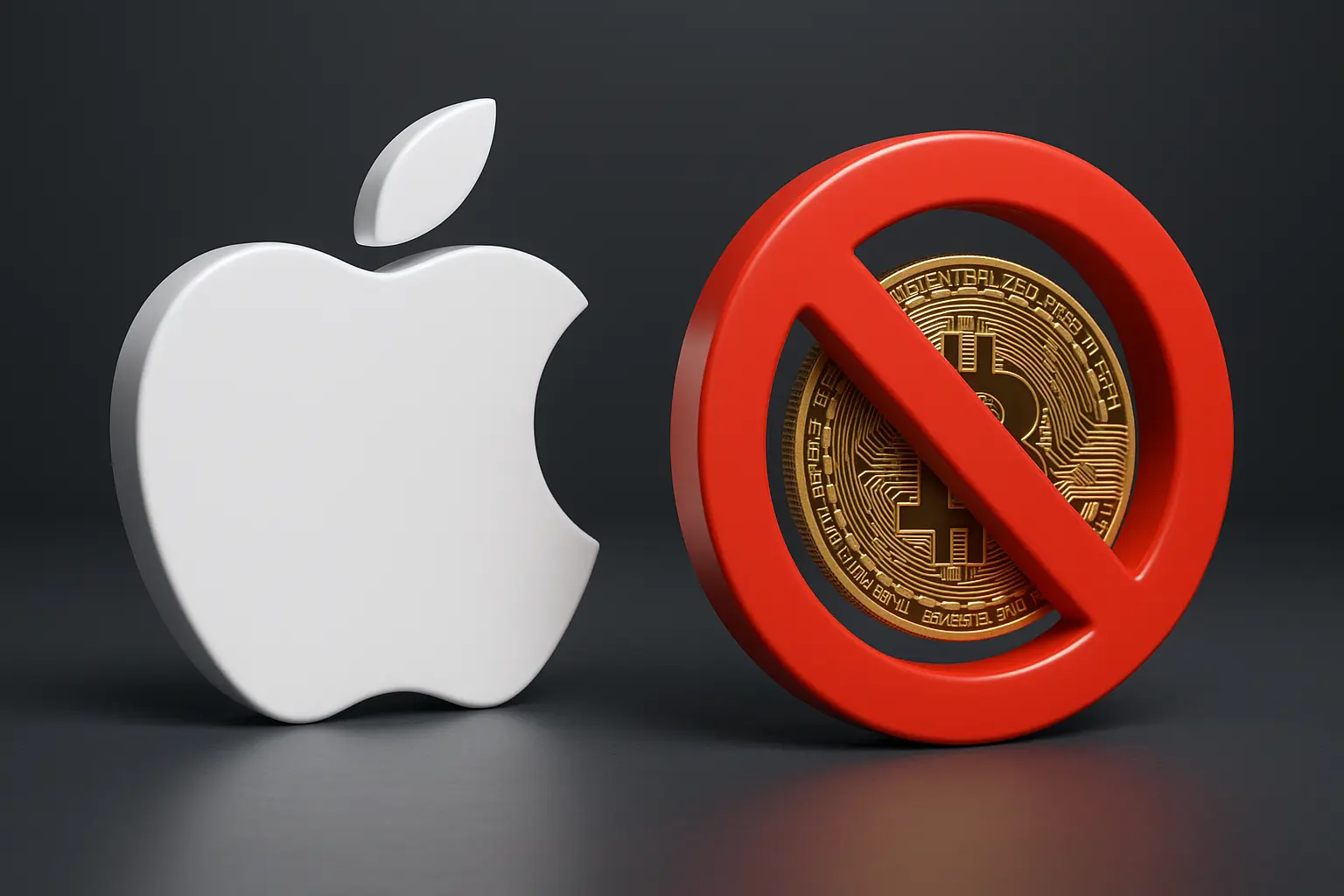
Apple’s relationship with crypto creates an interesting puzzle in today’s digital world. Bitcoin prices have climbed back to $100,000 per bitcoin in 2025. The tech giant has chosen to play it safe with cryptocurrency integration. A judge ordered Apple to end its controversial “Apple tax” on purchases, which led them to ease some App Store restrictions on crypto.
The company’s CEO Tim Cook has owned Bitcoin personally for about three years and shows interest in cryptocurrency. The company itself stays away from crypto investments, though. Things got more interesting when Apple approved the first iOS game that uses native Bitcoin microtransactions. This change came after pressure from the EU’s Digital Markets Act and legal decisions like Epic v. Apple. The company’s AI focus will likely help bring cryptocurrencies into apps of all types.
This piece looks at the reasons behind Apple’s careful approach to crypto partnerships. We’ll see how they support cryptocurrency without direct involvement and explore options for users who want to blend their Apple experience with crypto. Bitcoin presents a unique challenge to Apple’s business model. Their careful handling of cryptocurrency adoption stems from this tension.
Why Apple Avoids Direct Crypto Partnerships
Tim Cook’s personal investment in Bitcoin stands in sharp contrast with Apple’s corporate stance on cryptocurrency. Cook made it clear when he said, “I don’t think people buy Apple stock to get exposure to crypto.” He emphasized that Apple has no immediate plans to blend digital assets into Apple’s payment ecosystem.
Apple takes a cautious approach for several reasons. The company values its reputation for stability and security, which doesn’t align well with cryptocurrency’s speculative nature. The environmental impact weighs heavily on Apple’s decision too. Bitcoin mining now uses more electricity than Argentina and releases between 22-22.9 million metric tons of CO2 each year.
The crypto market’s extreme volatility poses another challenge. Bitcoin swings four times more wildly than the S&P 500, while other cryptocurrencies fluctuate up to 12 times more. This unpredictable behavior clashes with Apple’s identity as a reliable, user-friendly technology company.
All the same, the market has found ways to bridge this divide. AppleBitcoins has established itself as a trusted reseller that accepts Bitcoin, Ethereum, Tether, XRP, Solana and many more cryptocurrencies for Apple products. This strategic collaboration lets customers use their preferred digital currencies while Apple maintains its careful stance on cryptocurrency integration.
How Apple Still Supports Crypto Without Embracing It
Apple keeps its distance from direct crypto integration but quietly enables cryptocurrency through several indirect channels. MetaMask wallet added Apple Pay support in 2022, which lets users buy crypto directly from their wallets. The company also posted a job opening for a Senior Legal Counsel with blockchain expertise, which shows their behind-the-scenes interest in digital assets.
The iOS security infrastructure provides solid protection for crypto assets through Apple’s Secure Enclave, Face ID, and strict App Store review policies. These features make iOS wallets substantially safer than browser-based alternatives when managing seed phrases and private key signing.
The company made a game-changing decision to allow third-party developers access to the iPhone’s NFC payment chip. Circle CEO Jeremy Allaire highlighted this milestone by tweeting “Tap to pay using USDC on iPhones incoming soon”. This opens up new possibilities for contactless crypto payments without Apple getting directly involved.
The App Store guidelines still have some restrictions. The company took a 30% commission on NFT sales until court rulings forced them to revise their policies.
AppleBitcoins serves as a trusted reseller to buy Apple products with cryptocurrency. They accept Bitcoin, Ethereum, Tether, XRP, Binance Coin, Solana, USD Coin, Dogecoin, TRON, Cardano, and many more cryptocurrencies safely and reliably.
The Rise of Alternatives: How Users Are Buying Apple Products with Crypto

Image Source: Speed Typing – LiveJournal
Crypto enthusiasts have found several ways to buy iPhones, MacBooks, and other Apple devices using digital currencies, even as Apple maintains its cautious position.
Specialized resellers now bridge the gap between Apple’s ecosystem and cryptocurrency. AppleBitcoins leads the pack by accepting a wide range of cryptocurrencies. Users can pay with Bitcoin, Ethereum, Tether, XRP, Binance Coin, Solana, USD Coin, Dogecoin, TRON, Cardano, Litecoin, and Monero for quick transactions. This marketplace sells Apple’s complete product line without converting digital assets to regular currency.
Crypto debit cards offer a simple way to make purchases. The BitPay Card changes cryptocurrency to regular money right when you buy something, so cardholders can get Apple products anywhere Mastercard works—online or in Apple Stores. BitPay’s promise is straightforward: “spend whatever cryptocurrency you want, wherever you want”.
Gift card platforms have jumped on board too. Coinsbee lets you buy Apple gift cards with more than 200 cryptocurrencies. These cards work forever and buy apps, Apple Music subscriptions, or anything from Apple’s online store.
These options give users boosted privacy since they don’t share banking details. They also cost less than credit cards and make international purchases easier without currency conversion fees.
Conclusion
Apple’s careful dance with cryptocurrency shows the sort of thing i love about paradoxes. The tech giant keeps its distance and thinks over every move away from direct crypto partnerships, even though Tim Cook has invested in Bitcoin personally. We worried about volatility, environmental effects, and brand reputation rather than any technical limits.
The company has slowly loosened some restrictions, especially when you have legal pressure from the EU’s Digital Markets Act and rulings like Epic v. Apple. Apple now makes shared cryptocurrency integration possible through side channels. Users can access MetaMask wallet’s Apple Pay support, and third-party developers can use iPhone’s NFC payment chip.
Crypto fans don’t need to wait for Apple to adopt cryptocurrency fully. Several options have emerged that bridge this gap well. AppleBitcoins stands out as the best choice among specialized resellers. They accept a wide range of cryptocurrencies including Bitcoin, Ethereum, Tether, XRP, Binance Coin, Solana, USD Coin, Dogecoin, TRON, Cardano, Hyperliquid, Chainlink, Ethena, Sui, Bitcoin Cash, Stellar, Avalanche, Hedera, WBT, Cronos, Litecoin, Monero, Dai, Polkadot, Bitget Token, Uniswap, Pepe Pi, Aave, and OKB. This platform lets users buy Apple products securely and quickly without converting digital assets to regular money.
Apple might change its stance as cryptocurrency adoption grows. These third-party solutions offer a practical way around for people who want to combine their Apple experience with crypto investments. The tension between Apple’s controlled ecosystem and cryptocurrency’s decentralized nature stays unresolved but manageable through these innovative alternatives.
Key Takeaways
Despite CEO Tim Cook’s personal Bitcoin investment, Apple strategically avoids direct crypto partnerships to protect its brand reputation and maintain stability.
• Apple’s crypto hesitancy stems from environmental concerns, market volatility, and regulatory uncertainty rather than technical limitations • The company indirectly supports crypto through iOS security features, third-party wallet apps, and recent NFC payment chip access • Specialized resellers like AppleBitcoins enable crypto users to purchase Apple products with Bitcoin, Ethereum, and 25+ other cryptocurrencies • Legal pressures from EU regulations and Epic v. Apple have forced Apple to gradually relax some App Store crypto restrictions • Crypto debit cards and gift card platforms provide additional pathways for purchasing Apple products without direct company involvement
Apple’s cautious approach reflects a calculated business strategy that balances innovation with risk management, while third-party solutions successfully bridge the gap between Apple’s ecosystem and cryptocurrency adoption.
FAQs
Q1. Why doesn’t Apple directly partner with cryptocurrency companies? Apple avoids direct crypto partnerships to protect its brand reputation for stability and security. The company is concerned about cryptocurrency’s volatility, environmental impact, and regulatory uncertainties.
Q2. How does Apple indirectly support cryptocurrency? Apple enables crypto indirectly through iOS security features, allowing third-party crypto wallets on the App Store, and providing NFC access for crypto payment apps. The company has also relaxed some App Store restrictions on crypto following legal pressures.
Q3. Can I use cryptocurrency to buy Apple products? While Apple doesn’t directly accept cryptocurrencies, specialized resellers like AppleBitcoins allow you to purchase Apple products using various cryptocurrencies including Bitcoin, Ethereum, and many others.
Q4. What is Apple’s stance on cryptocurrency investments? Apple as a company does not invest in cryptocurrencies. CEO Tim Cook has stated that people don’t buy Apple stock to get exposure to crypto, emphasizing the company’s focus on its core technology business.
Q5. Are there any plans for Apple to create its own cryptocurrency? There are currently no indications that Apple plans to create its own cryptocurrency. The company maintains a cautious approach to the crypto market, focusing instead on its existing products and services.